
Product Optimization










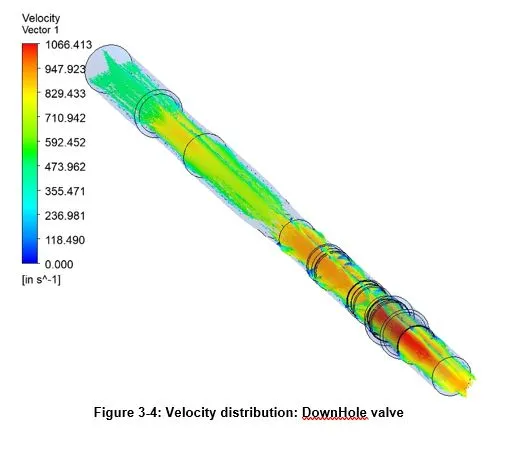
Advanced Fluid Flow Simulation

Thermal Performance Analysis

Design Optimization Through CFD

Accurate Pressure & Velocity Evaluation

Iterative Simulation for Better Performance

Engineering Insights for Smarter Decisions
Advanced Fluid Flow Simulation
Product Optimization Services
Simulation Services
Simulation Services
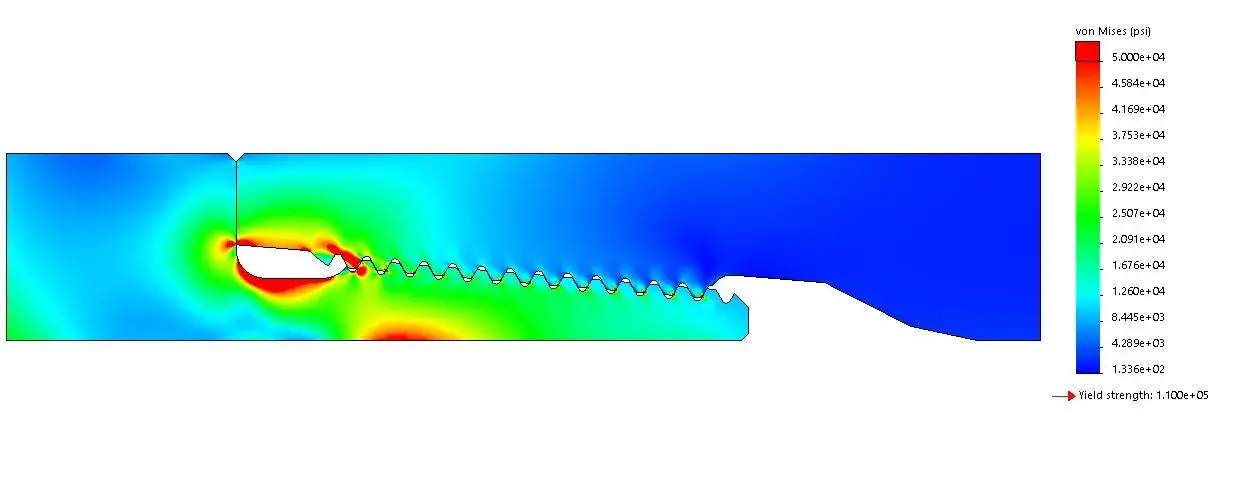
Finite Element Analysis (FEA)
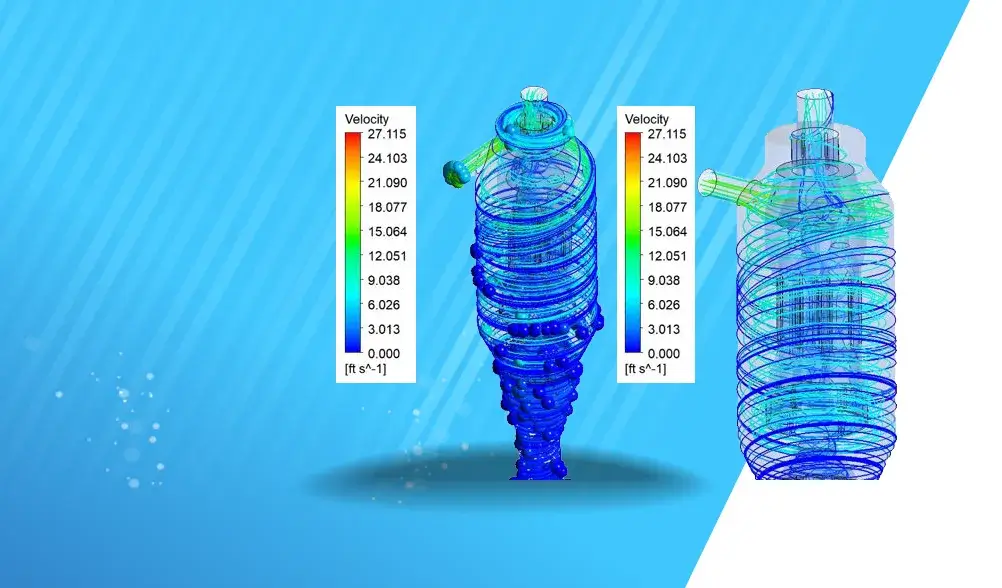
Computational Fluid Dynamics (CFD)

Iterative Design Testing
Optimization Process

Manufacturing Process

Competitive Products

Simulation & Evaluation

Prototyping & Testing
Testimonials
Testimonials
Hear from inventors, startups, and companies who brought their ideas to life with Flowtech Dynamics.
Frequently Asked Questions About Our CFD Services
What is CFD simulation and what is it used for?
CFD, or computational fluid dynamics, is a numerical simulation method used to analyze and predict how fluids (liquids and gases) behave within or around a product or system. It solves the governing Navier-Stokes equations computationally to model fluid velocity, pressure, temperature, and other flow properties.
Engineers use CFD services to optimize heat exchangers, validate downhole tool designs, analyze erosion, reduce backpressure in exhaust systems, and improve thermal management – all before spending money on physical prototypes. Flowtech Dynamics applies CFD analysis across oil and gas, industrial equipment, electronics cooling, and fluid handling systems.
What types of CFD simulation does Flowtech Dynamics offer?
Our CFD consulting services cover steady-state and transient fluid flow analysis, compressible and incompressible flows, multiphase flow simulation, conjugate heat transfer, material erosion, fluid-structure interaction (FSI), and turbulence modeling using RANS-based solvers. We select the appropriate physics and solver approach based on your specific application.
How much does a CFD simulation service cost?
CFD simulation costs vary depending on geometry complexity, the physics involved, the number of design iterations required, and the level of reporting detail. A focused single-physics simulation (such as a steady-state flow analysis) is typically more affordable than a coupled multiphase or FSI study.
We provide project-specific quotes after a brief consultation to understand your design goals and timeline. Contact our team to discuss your project and receive a competitive estimate.
How long does a CFD analysis project take?
Turnaround depends on project scope. A focused fluid flow or heat transfer analysis for a single design configuration can be completed in 1-2 weeks. More complex studies involving multiple design iterations, multiphase physics, or coupled FSI analysis typically require 3-6 weeks.
We provide a clear project timeline estimate before work begins and provide milestone updates throughout the engagement.
What industries does Flowtech Dynamics serve with CFD services?
Our CFD consulting services have been applied across oil and gas (downhole tools, valve assemblies, separators), industrial equipment, electronics thermal management, automotive exhaust systems, fluid handling systems, and general manufacturing.
If your product involves fluid flow, heat transfer, pressure gradients, or erosion, our CFD engineering team can analyze it.
What software does Flowtech Dynamics use for CFD simulation?
We use industry-standard computational fluid dynamics tools with a focus on delivering validated, accurate results. The specific solver selected depends on the physics of your project, whether it involves turbulent flow, multiphase modeling, conjugate heat transfer, or FSI.
We are happy to discuss software compatibility if your team uses a specific CFD platform or requires results in a particular format.
What does a CFD simulation report include?
Our CFD consulting deliverables include contour plots of velocity, pressure, temperature, and turbulence intensity; vector field visualizations; quantitative performance data (flow rates, pressure drops, peak temperatures); and specific engineering recommendations tied to your design objectives.
Reports are written to be readable by both engineering teams and non-technical stakeholders who need to make design decisions.
Can CFD simulation replace physical testing?
CFD simulation can reduce, de-risk, and in many cases replace physical testing for flow and thermal performance validation. It is particularly valuable for identifying design issues early, when changes cost a fraction of what they would after prototyping.
For safety-critical applications, CFD analysis is best used alongside targeted physical validation. Flowtech Dynamics helps clients determine the right balance of simulation and testing for their project requirements.